
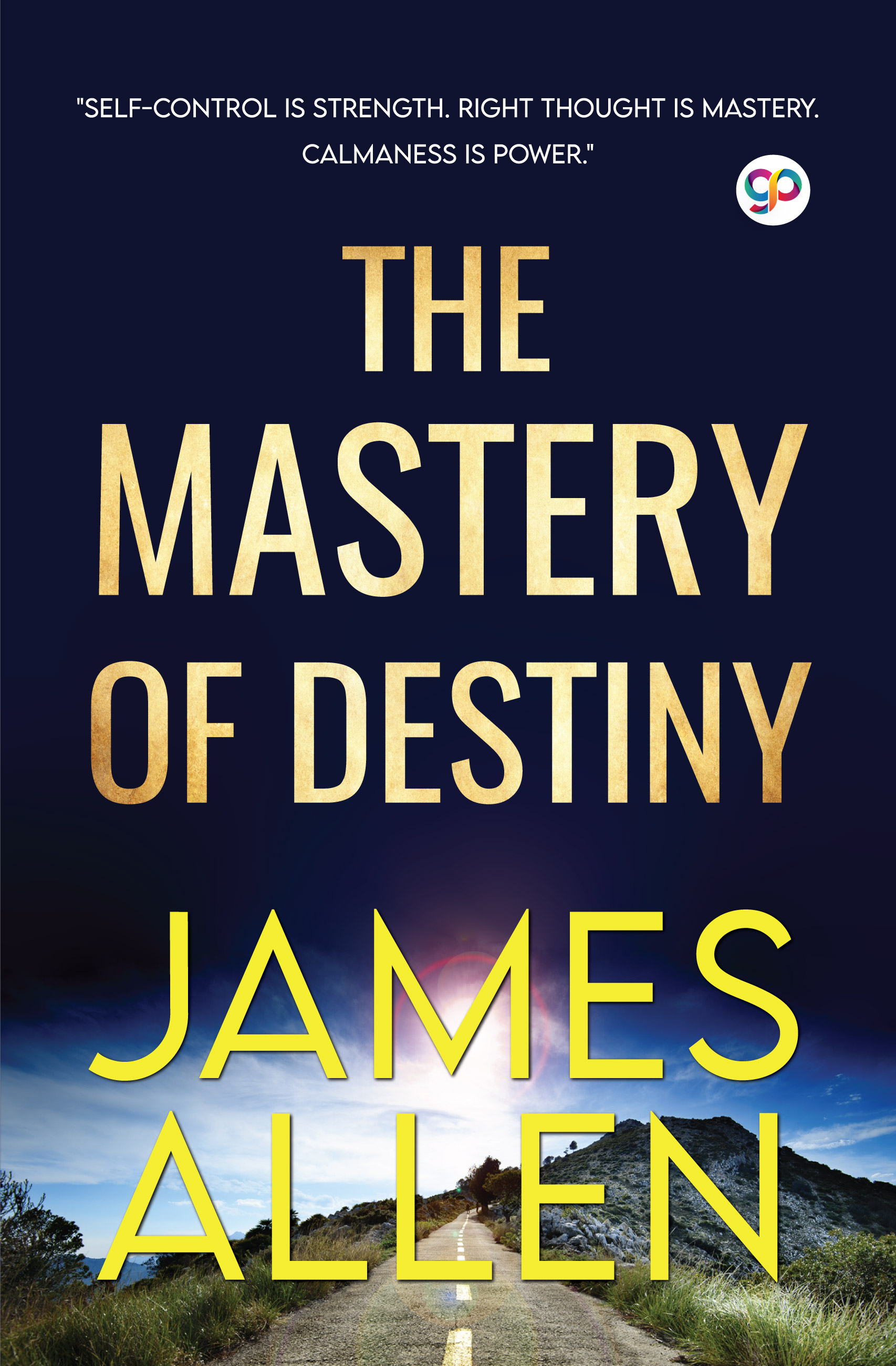
The Mastery of Destiny (eBook)
Writing “The Mastery of Destiny” in 1909, the best-selling author of the inspirational classic "As a Man Thinketh," James Allen continues his life's work of exposing universal principles—spiritual and practical—to assist the individual. A pioneer of the self-help movement, James Allen was a British poet and philosophical writer. His numerous writings soothed millions of readers with their straightforward, unadorned counsel about leading a happy life, making him one of the most well-known spiritual writers at the start of the 20th century.
Allen gives readers advice on how to improve their motivation, self-control, willpower, and focus. We may construct an endlessly happy and prosperous life—and most essential, self-mastery—by practicing discipline and mindfulness. The seemingly never-ending debate between proponents of free will and fatalism has its roots in the dual experience of fate and freedom. Humanity is a product of his own actions, which makes him the creator of his own character. Additionally, as a result of his actions and character, man shapes and molds his own fate.
BEST SELLERS


About the Author
James Allen (1864–1912) was an influential British philosophical writer, poet, and a recognized pioneer of the modern self-help and motivational movement. Born on November 28, 1864, in Leicester, England, Allen’s early life was marked by hardship that profoundly shaped his philosophical outlook and eventual career. His working-class background meant his formal education was cut short when his father, a factory knitter, traveled to America in 1879 to find work and was tragically robbed and murdered shortly after arrival. At just fifteen, Allen was forced to leave school to support his family, working in several British manufacturing firms, eventually rising to the position of a private secretary.
Despite the demands of work, Allen maintained a deep interest in literature, philosophy, and spirituality. This period of intellectual self-discipline led him away from his early religious background toward a more generalized spiritual and contemplative path, heavily influenced by thinkers like Leo Tolstoy and Buddhist philosophy, particularly ‘The Light of Asia’. He married Lily Louisa Oram in 1895, and by 1898, he had begun writing for the spiritual magazine ‘The Herald of the Golden Age’.
Allen's creative period was brief but immensely productive. In 1901, he published his first book, ‘From Poverty to Power’. By 1902, inspired to pursue a life of simple living and writing, Allen retired from his secretarial work. He moved with his wife and daughter, Nora, to a small, secluded cottage in Ilfracombe, Devon, where he spent the remaining nine years of his life writing and editing his own spiritual magazine, ‘The Light of Reason’ (later retitled The Epoch).
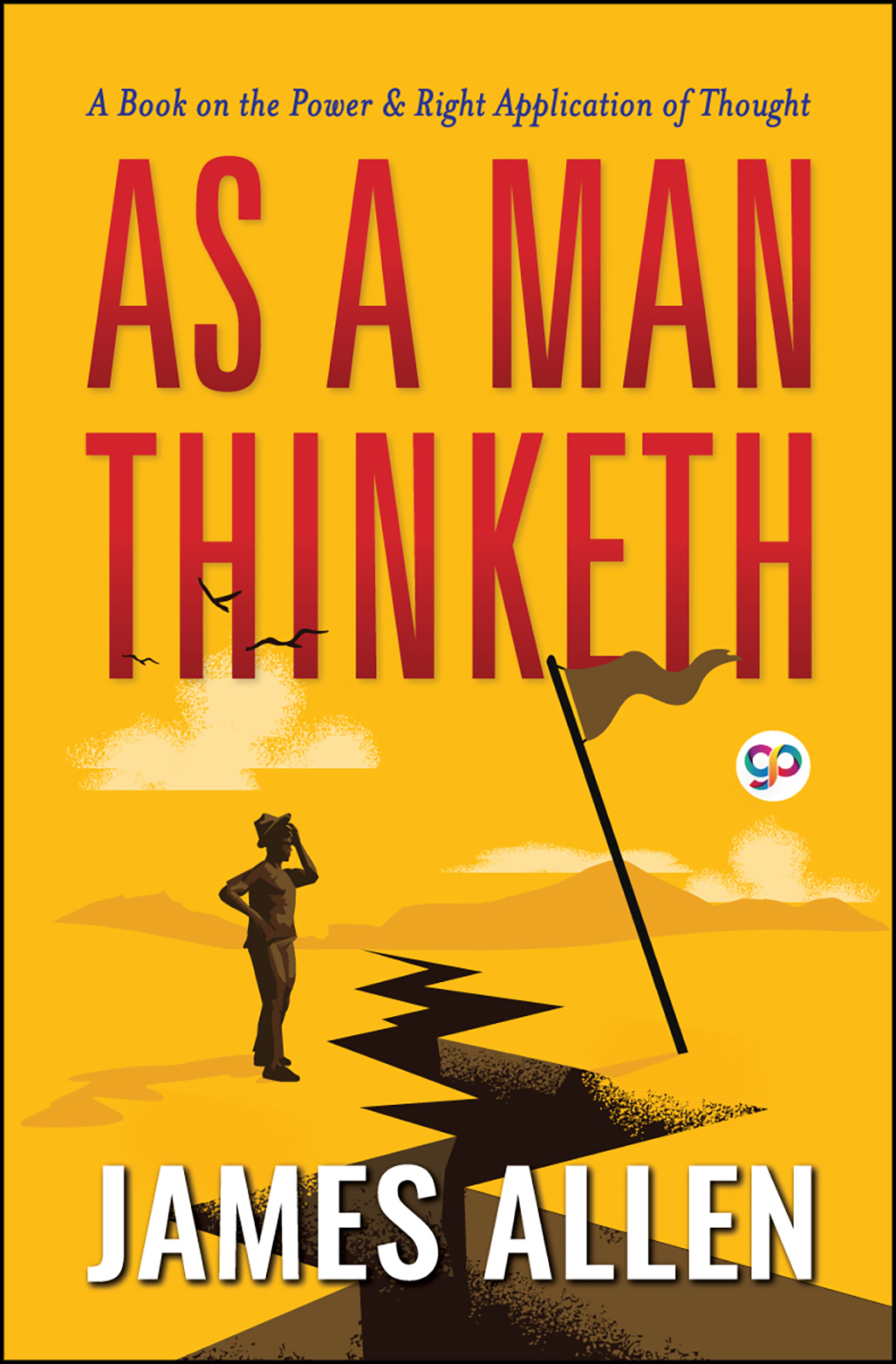
His most famous and enduring work, the philosophical essay ‘As a Man Thinketh’, was published in 1903. Loosely based on a passage from the biblical Book of Proverbs ("As a man thinketh in his heart, so is he"), the concise volume articulated Allen's core philosophy: that a person’s thoughts directly shape their character, destiny, and life circumstances. He emphasized that "Mind is the Master-power that moulds and makes," advocating for personal responsibility and the transformative potential of disciplined, noble thought. Though he never achieved great fame or wealth during his lifetime, As a Man Thinketh became a cornerstone of inspirational literature, influencing a "who's who" of later self-help authors like Napoleon Hill and Dale Carnegie. Allen produced nineteen works in total, including The Path of Prosperity and The Mastery of Destiny, before his sudden death on January 24, 1912, at the age of 47. His wife, Lily L. Allen, continued his legacy by publishing his posthumous manuscripts and editing their magazine.