
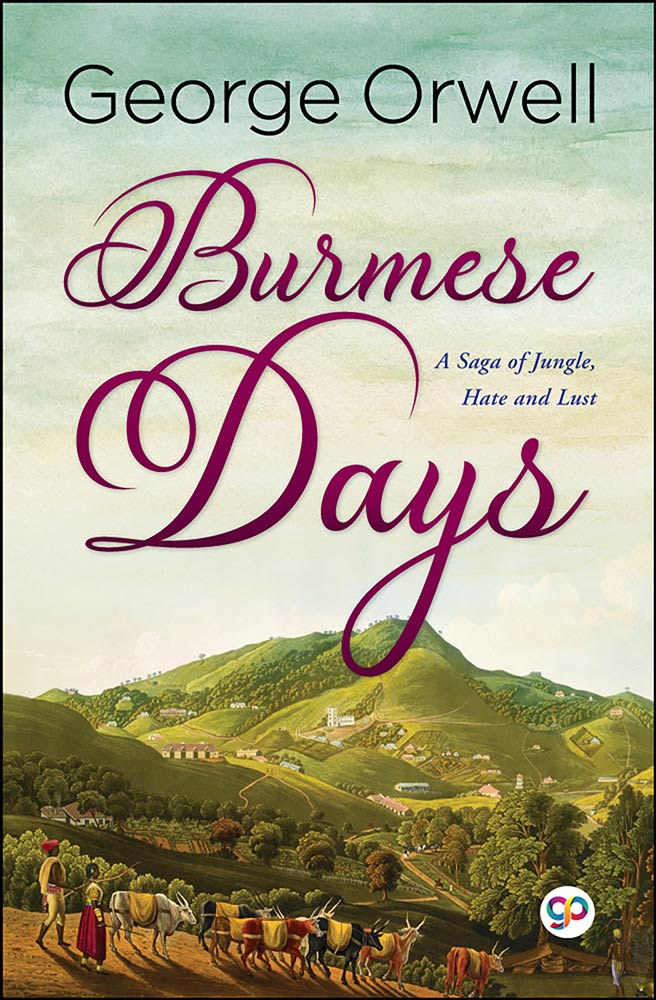
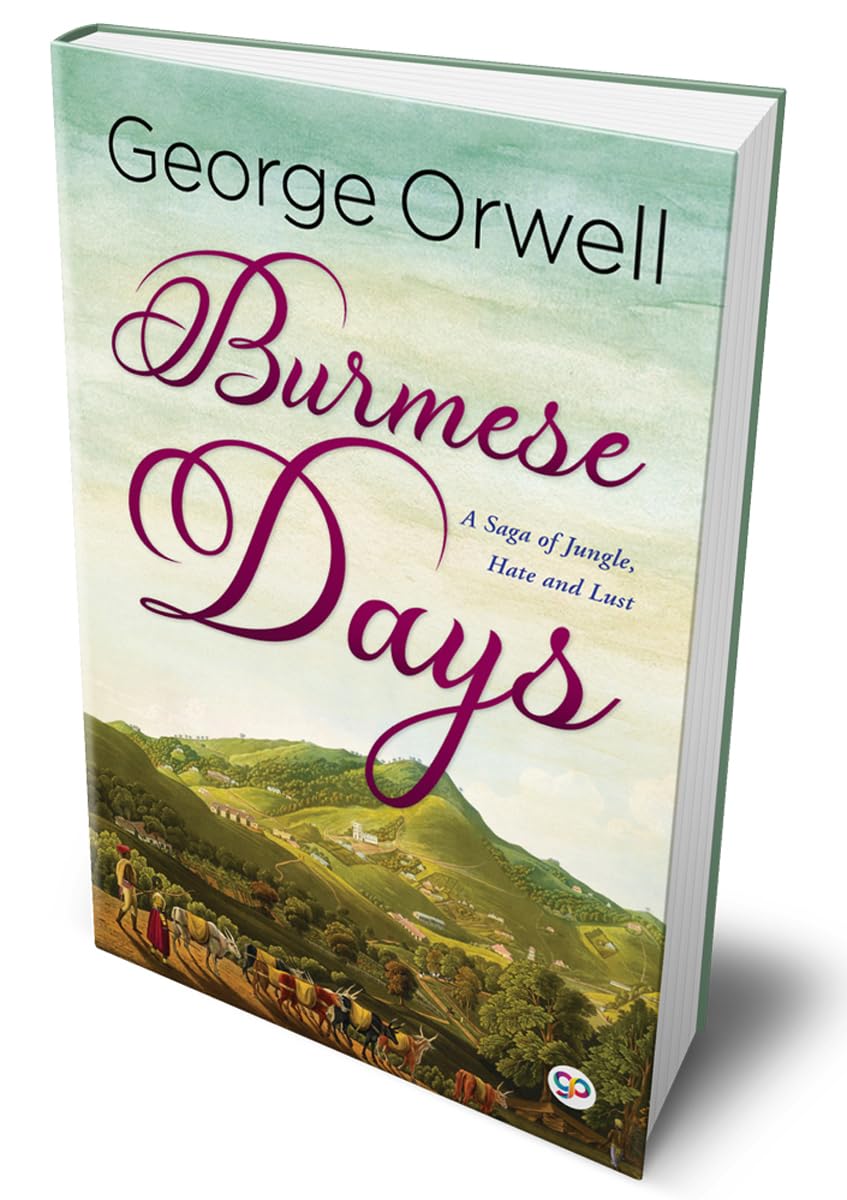
Burmese Days (Paperback)
First published in 1934, George Orwell’s first novel 'Burmese Days', presents a devastating portrayal of British colonial rule, inspired by his experiences in the Indian Imperial Police in Burma. The story describes both indigenous corruption and Imperial bigotry. John Flory is a white timber merchant in 1920s Burma. Disillusioned by imperial life, Flory defies orthodoxy and befriends Indian Dr. Veraswami. The doctor is being pursued by a corrupt magistrate, U Po Kyin, who is orchestrating his downfall. The only thing that can save his reputation is membership in the all-white Club, and Flory is in a position to help. Flory’s life is also upended by the arrival of beautiful Parisian Elizabeth Lackersteen, who offers an escape from loneliness and the deceit of colonial life. It is an astonishing examination of the debasing effect of empire on occupied and occupier.
BEST SELLERS

About the Author
George Orwell, the pen-name of Eric Arthur Blair (1903–1950), was an influential English novelist, essayist, journalist, and critic whose work is defined by clear prose, sharp social commentary, and a fierce opposition to totalitarianism. Born on June 25, 1903, in Motihari, Bengal (then British India), into what he described as a "lower-upper-middle class" family, Blair was swiftly brought up in England. He received a scholarship to the prestigious ‘Eton College’, where he was noted for his intellectual brilliance. Instead of attending university, he followed a family tradition and joined the ‘Indian Imperial Police in Burma’ in 1922. His five years as a colonial officer deeply disillusioned him with the British Empire, inspiring his first novel, Burmese Days (1934), and the famous essay "Shooting an Elephant."
Early Career and Social Exploration:
Upon returning to England in 1927, he was determined to become a writer, a decision that led to years of poverty. He chose to live a vagrant life for periods, documenting his experiences among the working poor in London and Paris. This period resulted in his first major work, the semi-autobiographical non-fiction book ‘Down and Out in Paris and London’ (1933), for which he adopted the pseudonym George Orwell (taking the name from the River Orwell in Suffolk). His deep dive into the lives of the working class continued with the socio-political reportage of ‘The Road to Wigan Pier’ (1937), a work that solidified his commitment to democratic socialism.
The Spanish Civil War and Political Awakening:
The defining political experience of his life was his time fighting as a volunteer soldier on the Republican side in the ‘Spanish Civil War’ (1936-1937). His experiences in Spain—where he witnessed the brutal internal purges and propaganda tactics of the Stalinist-backed factions against their Republican allies—hardened his anti-totalitarian political views. He was wounded in the throat during the fighting. His account of the conflict, ‘Homage to Catalonia’ (1938), is a vital work of political journalism, detailing the betrayal of the revolution by Communist forces.
Literary Legacy and Final Works:
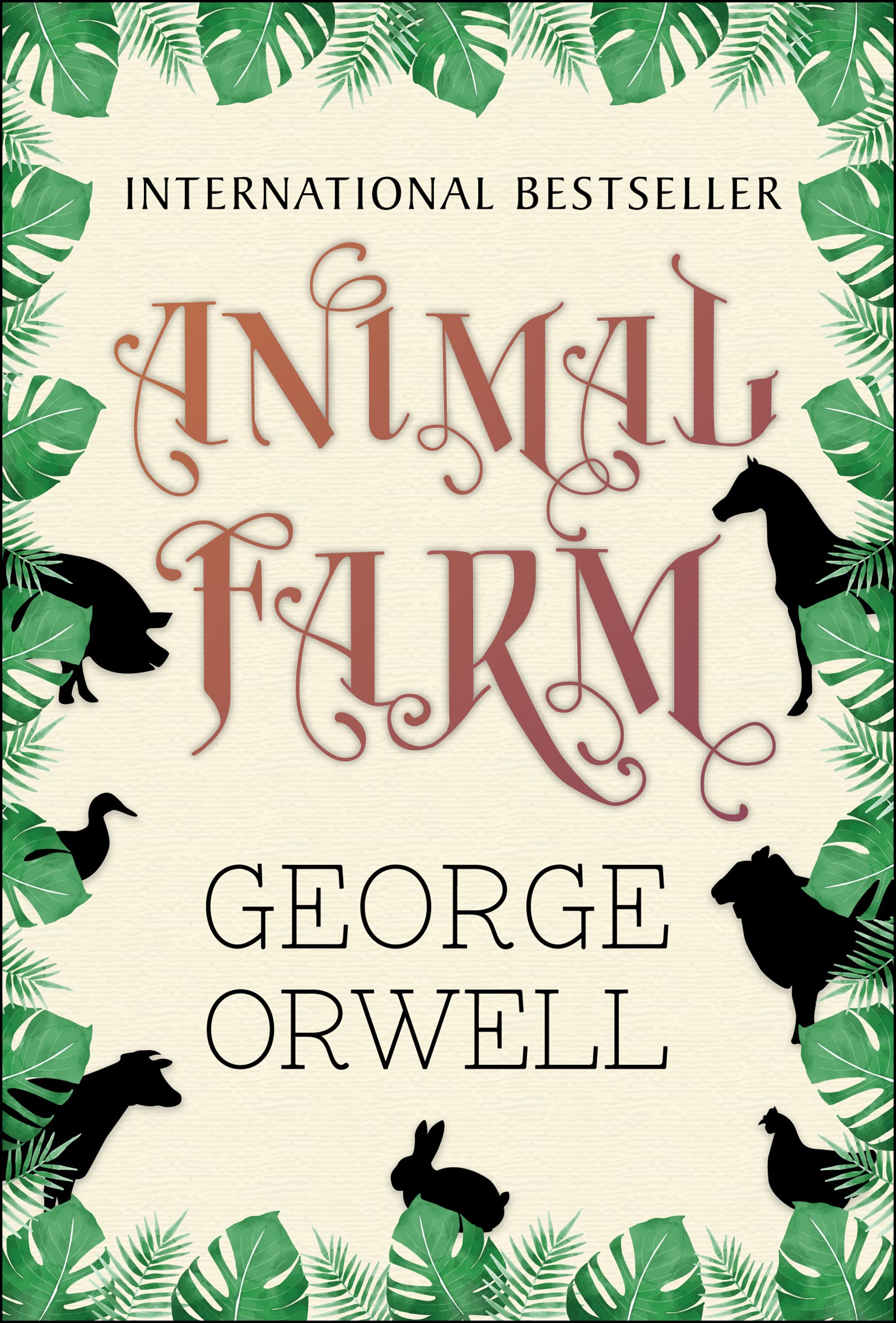
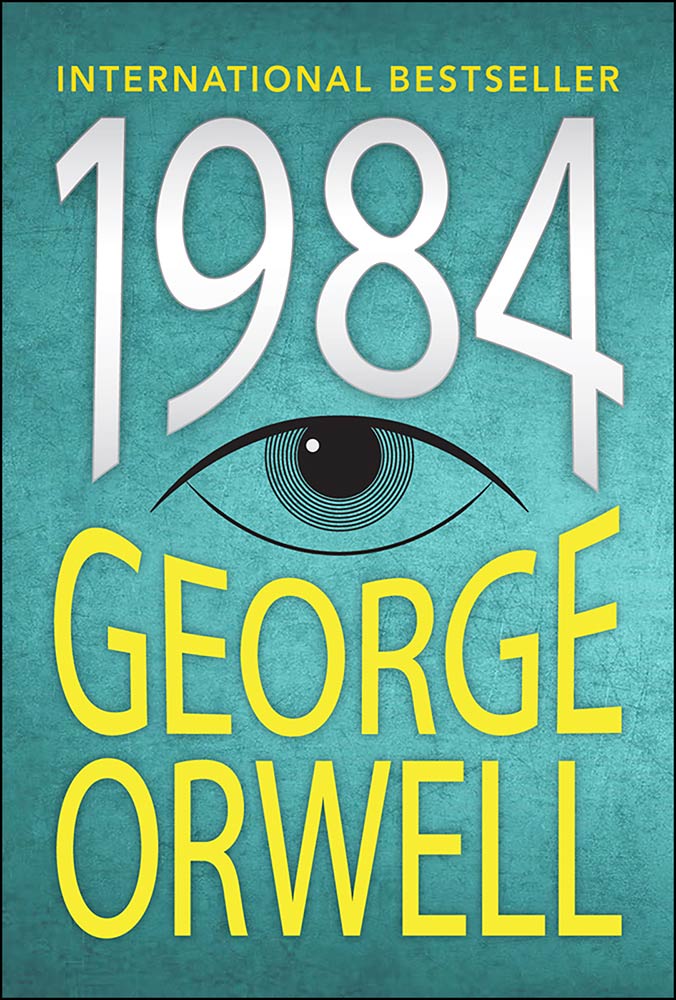
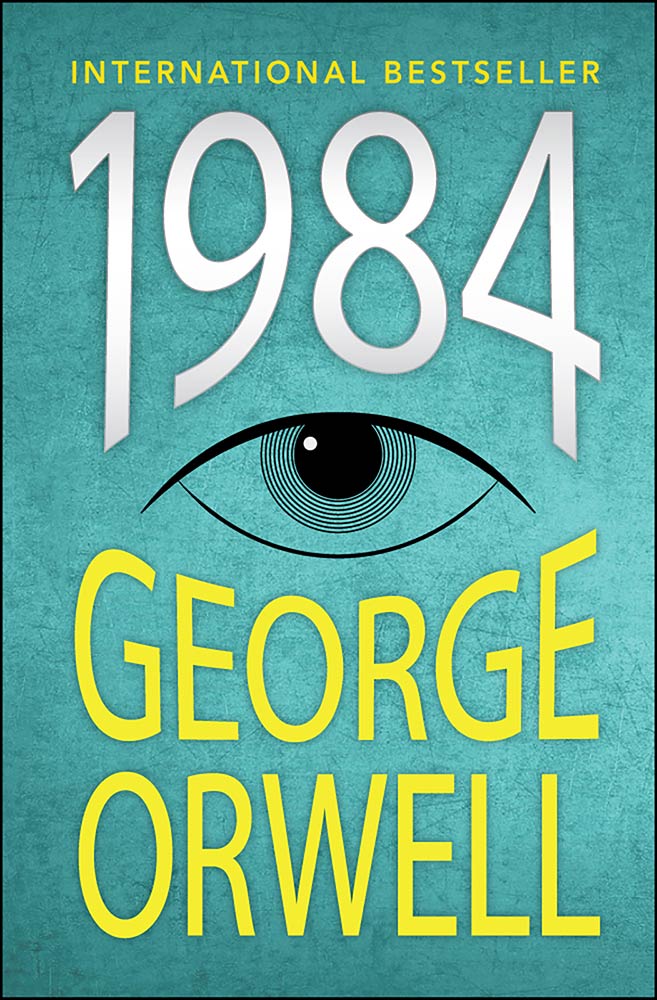
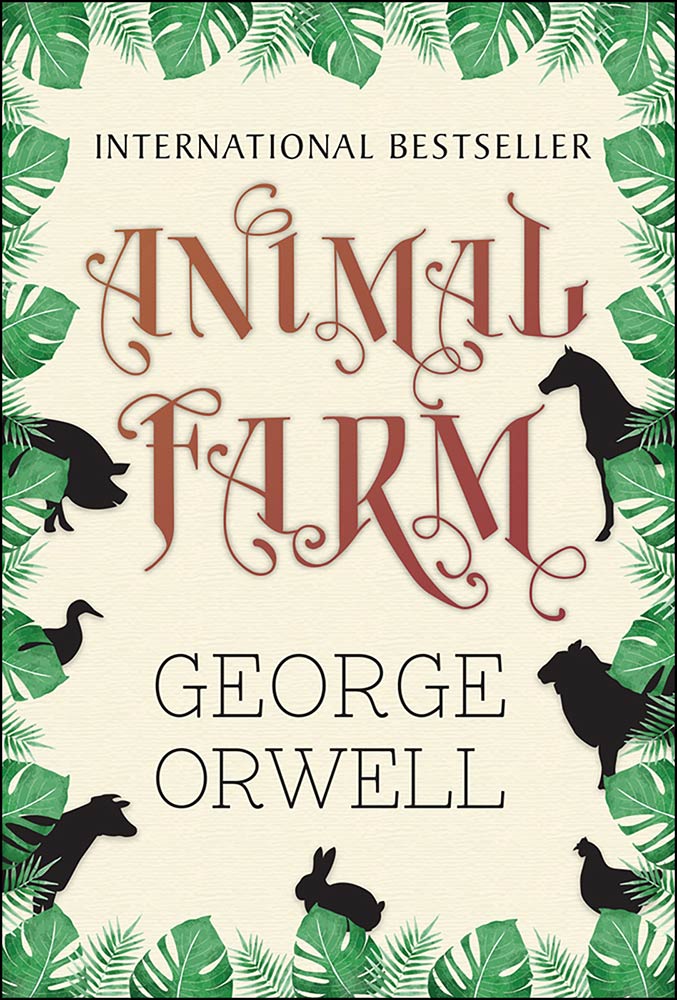
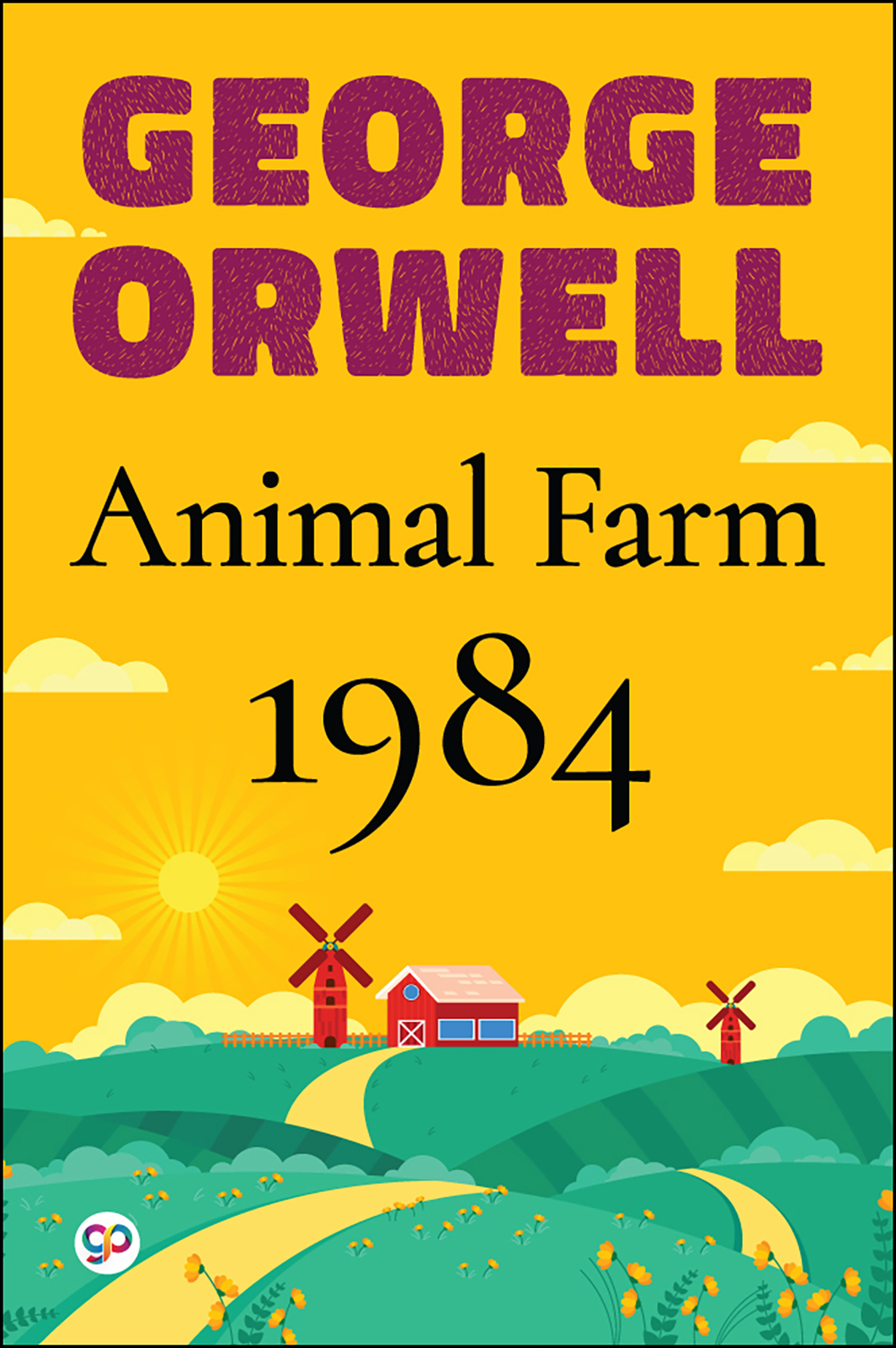
During and after World War II, Orwell worked as a literary editor and broadcaster, but his focus remained on writing. His enduring global reputation rests on his two final novels. ‘Animal Farm’ (1945), a scathing allegorical novella satirizing the corruption of the Soviet Revolution by Joseph Stalin, brought him widespread acclaim and financial stability. His masterpiece, ‘Nineteen Eighty-Four’ (1949), is a profound dystopian novel that introduced terms like "Big Brother," "thought police," "doublethink," and the adjective "Orwellian" into the global lexicon. This novel explored the profound dangers of absolute governmental power, surveillance, and the manipulation of truth and language. His foresight in depicting a world of perpetual war and manufactured reality remains chillingly relevant. Despite suffering from severe tuberculosis, he completed Nineteen Eighty-Four just before his death. George Orwell died on January 21, 1950, at the age of 46, leaving behind a legacy as one of the most important political and literary critics of the 20th century.