

The Untouchables (eBook) : Who Were They and Why They Became Untouchables
“The book is a work of art even more than of history.” —India Today, Dilip Menon
“The evil of caste system.” —The Tribune
First published in 1948, “The Untouchables: Who Were They and Why They Became Untouchables” by Dr. B.R. Ambedkar is a powerful work of historical analysis and social critique that examines the origins and persistence of untouchability in Indian society. Dr. Ambedkar—jurist, social reformer, and chief architect of the Indian Constitution—wrote this book as part of his lifelong mission to expose and dismantle caste-based oppression.
In this meticulously researched work, Ambedkar challenges traditional Hindu explanations of caste and untouchability, offering a bold and original thesis. He argues that the Untouchables, or Dalits, were originally Buddhists and independent social groups who resisted Brahmanical dominance and priestly authority. Their refusal to conform to Vedic rituals and their adherence to different religious practices led to their social exclusion and eventual stigmatization as “untouchables.”
Ambedkar explores religious, economic, and political factors behind this marginalization, using historical records and logical reasoning to construct a compelling argument. His clear, direct prose makes complex ideas accessible, while his passion for justice gives the work moral force.
The Untouchables remains a foundational text in Dalit studies, Indian sociology, and anti-caste literature, offering critical insight into the roots of inequality and the enduring struggle for dignity and human rights in India.
BEST SELLERS


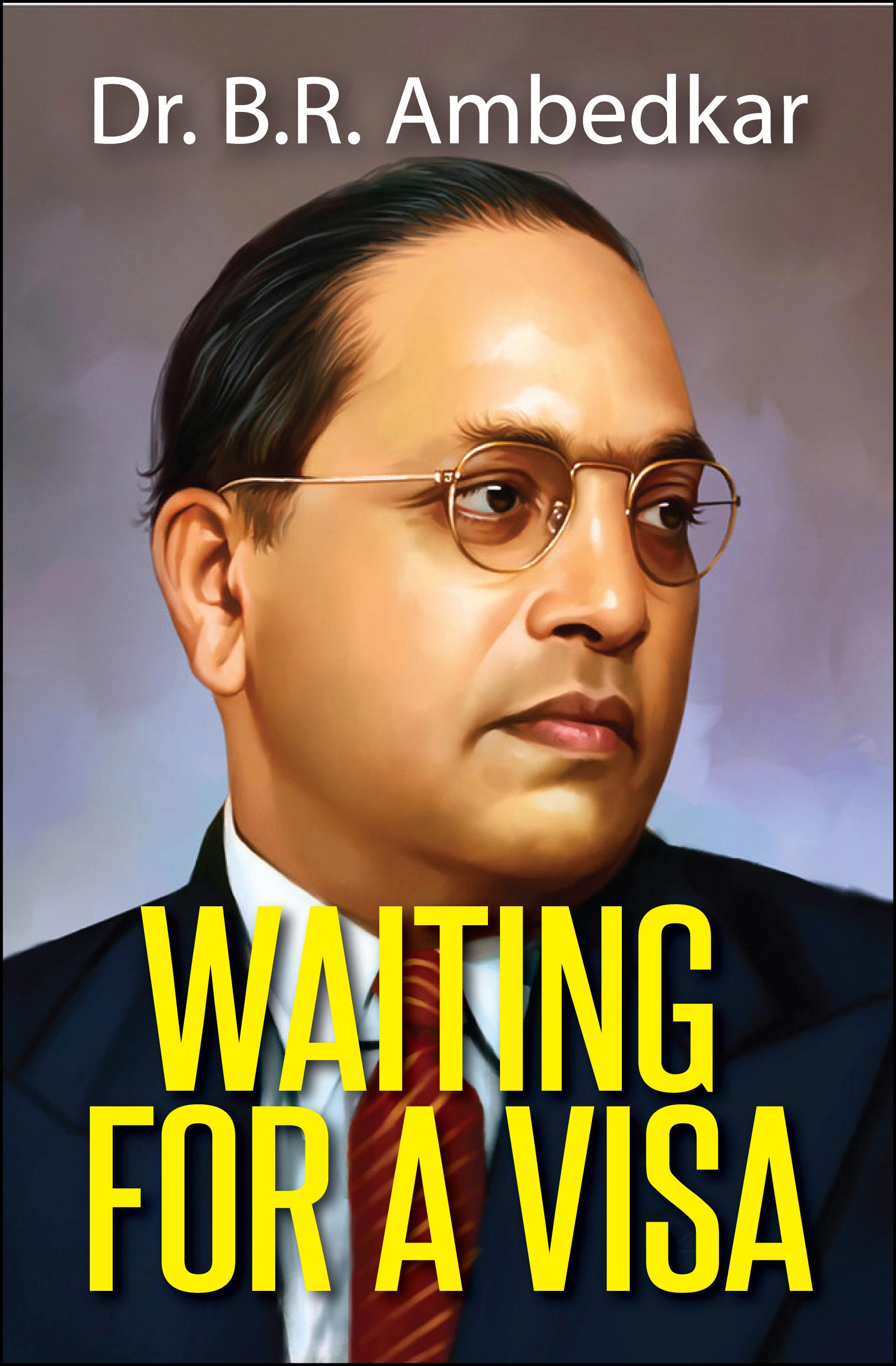
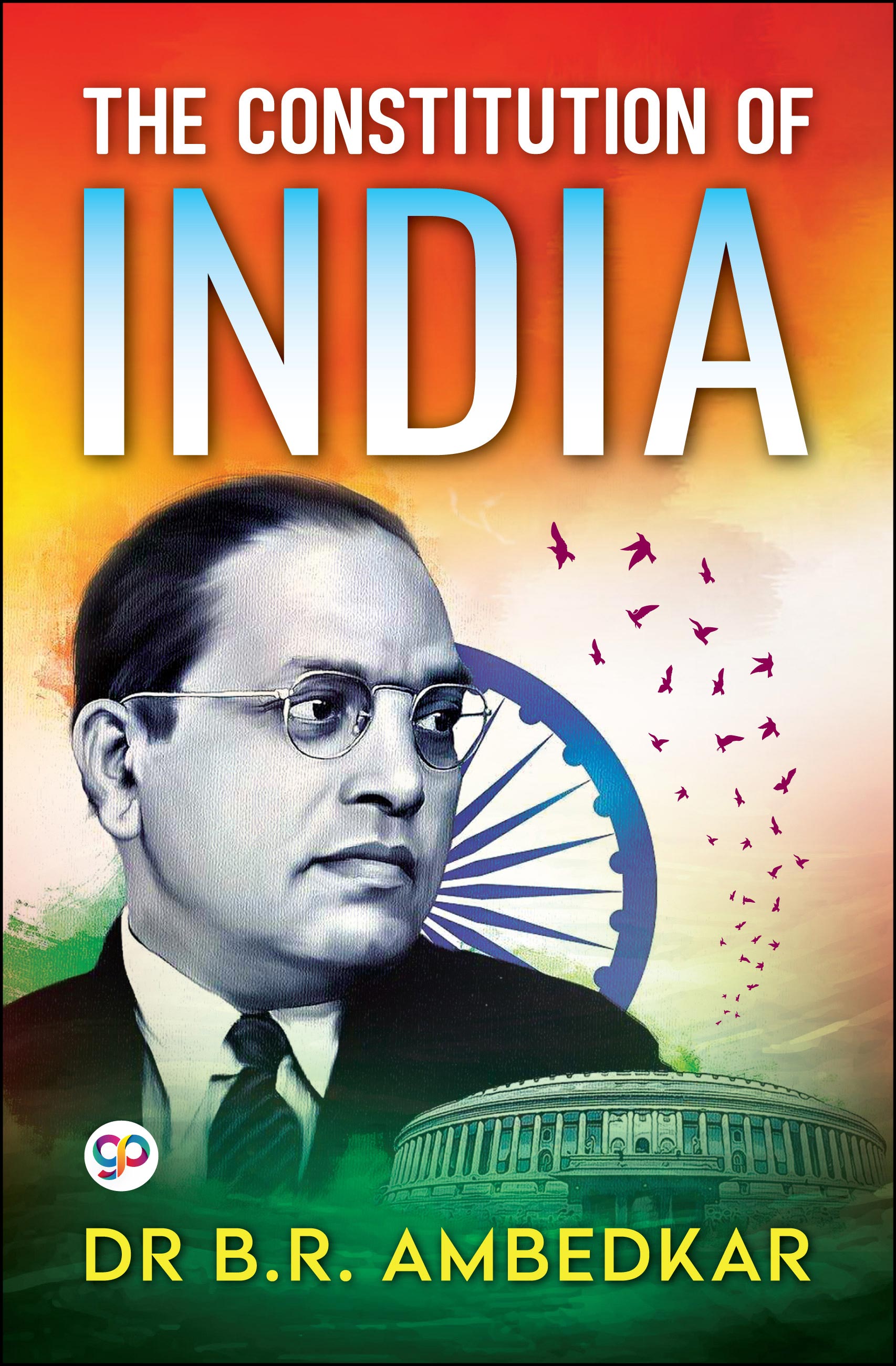
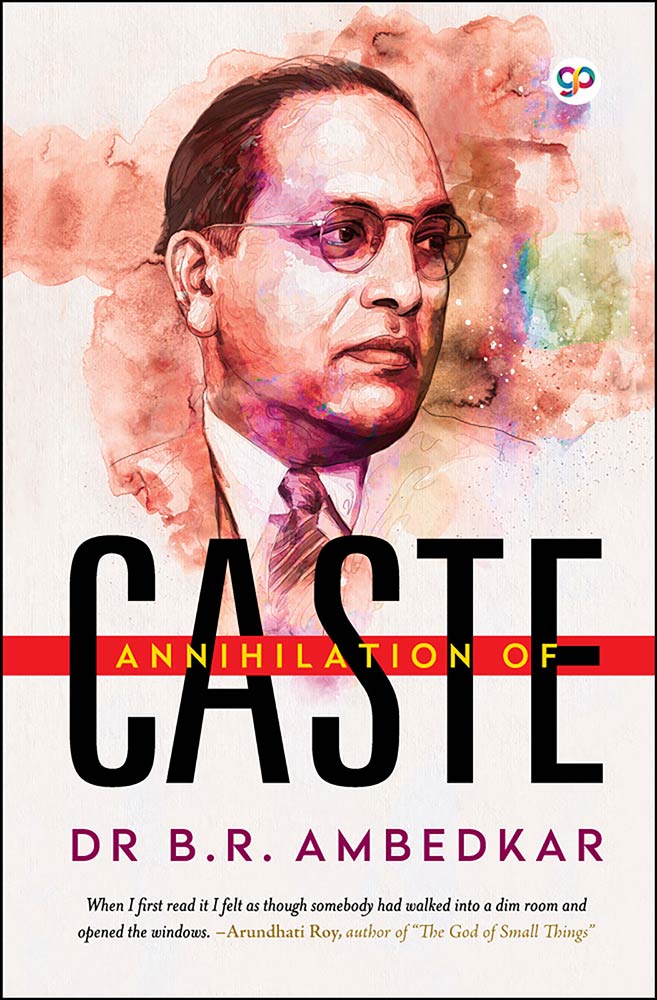
About the Author
Dr. Bhimrao Ramji Ambedkar (1891–1956), popularly known as Babasaheb, was an iconic Indian jurist, economist, politician, and social reformer who championed the rights of the historically oppressed communities, particularly the Dalits (formerly referred to as untouchables). Born on April 14, 1891, in Mhow, Madhya Pradesh, into a Mahar (Dalit) family, his early life was marred by severe caste discrimination, which fueled his lifelong fight for social equality and justice.
Education and Early Career:
Despite the prejudices he faced, Ambedkar’s intellectual brilliance shone through. He completed his graduation from Bombay University in 1912 with a degree in Economics and Political Science. Due to his academic prowess, he was awarded a scholarship by the Maharaja of Baroda, Sayajirao Gaikwad III, which enabled him to pursue higher studies in the United States. He earned his M.A. and Ph.D. in Economics from ‘Columbia University’ in New York, submitting his doctoral thesis on "The Evolution of Provincial Finance in British India." He later moved to London, where he earned a D.Sc. in Economics from the ‘London School of Economics’ and was called to the Bar at ‘Gray's Inn’ as a barrister-at-law. His extensive education made him one of the most highly-educated Indians of his time. Upon returning to India, he worked as a professor and legal practitioner, dedicating his professional life to the cause of the marginalized.
Social and Political Activism:
Ambedkar’s professional life quickly transitioned into a powerful movement for social reform. He founded the ‘Bahishkrit Hitkarini Sabha’ (Outcastes Welfare Association) in 1924, aiming to spread education and culture among the downtrodden. He launched periodicals like Mooknayak (Leader of the Silent) and Bahishkrit Bharat to voice the concerns of the oppressed. His prominent agitations include the Mahad Satyagraha in 1927, where he led a movement to assert the right of Dalits to use public water resources, and the burning of the Manusmriti, a text he viewed as justifying caste-based inequality. His conflict with Mahatma Gandhi over the issue of separate electorates for the 'depressed classes' led to the Poona Pact in 1932, where Ambedkar eventually agreed to reserved seats within the Hindu electorate instead of separate electorates, in exchange for a significantly increased number of reserved seats.
Architect of the Constitution:
Ambedkar's most enduring legacy is his role as the Chairman of the Drafting Committee of the Constituent Assembly. Appointed as the first Law Minister of independent India in Jawaharlal Nehru's cabinet, he masterfully steered the drafting of the ‘Constitution of India’. He is widely regarded as the chief architect of the Indian Constitution, which provides for fundamental rights, affirmative action through reservations for Scheduled Castes and Tribes, and the constitutional abolition of "untouchability" under Article 17, making its practice a punishable offence.
Conversion and Death:
Towards the end of his life, disillusioned with the slow pace of reform within Hinduism, Ambedkar declared his intention to convert to a different religion. In October 1956, he converted to Buddhism in a massive public ceremony in Nagpur, along with lakhs of his followers, initiating the ‘Dalit Buddhist Movement’ in India. He passed away shortly after on December 6, 1956, in New Delhi, after completing his final manuscript, The Buddha and His Dhamma. His immense contributions to the nation were recognized posthumously with India’s highest civilian award, the ‘Bharat Ratna’, in 1990. Ambedkar's tireless efforts ensured that the principles of social justice, equality, and fraternity became foundational to the Indian Republic.